1-800-Simpson
 Email Us
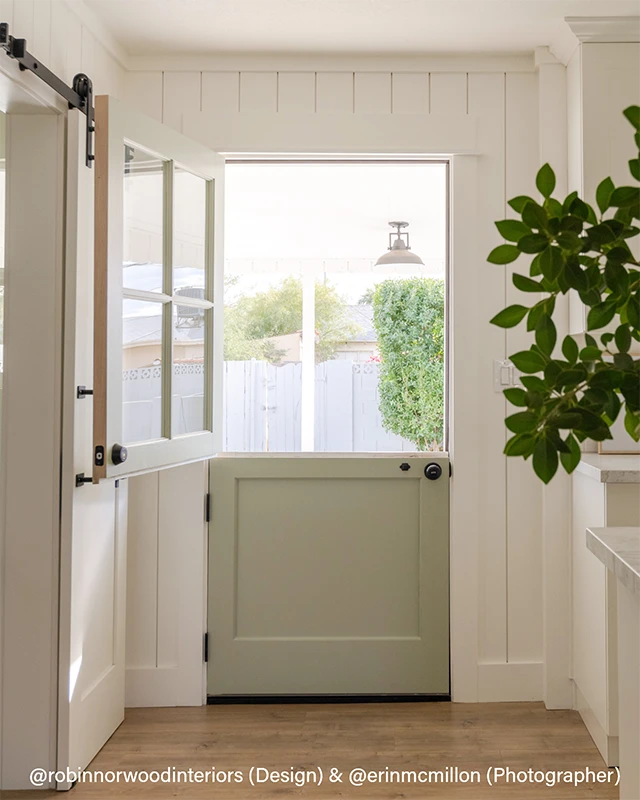
Dutch doors represent everything quiet luxury stands for. They're not new — they originated in 17th-century Netherlands, where farmers needed to keep animals out while letting fresh air flow through. That same split design solves real problems in 2026: passive ventilation, nature-connected living, and warm minimalism in a single architectural element.
What Makes Dutch Doors the Quiet Luxury Choice
Quiet luxury in home design isn't about cost — it's about what something represents:
- Craftsmanship over conspicuousness — Quality joinery and wood selection built to last decades, not seasons
- Timeless design over trends — Dutch doors have maintained relevance for over 300 years because form follows function
- Practical beauty — Every element serves a purpose while contributing to aesthetic cohesion
5 Reasons Dutch Doors Define 2026 Home Design
Reason 1: Passive Ventilation Without Compromising Security
Studies show we spend approximately 90% of our time indoors, making air quality a growing homeowner concern. Dutch doors address this directly. When the top half opens independently, they create a controlled airflow pathway that:
- Reduces indoor pollutant concentrations through consistent fresh air circulation
- Maintains security — the closed lower half prevents pets from escaping, keeps children safe, and deters unwanted entry
- Enables comfortable monitoring of children or outdoor activities without fully opening the home
- Can offset cooling loads by up to 30% during moderate weather months, reducing energy costs
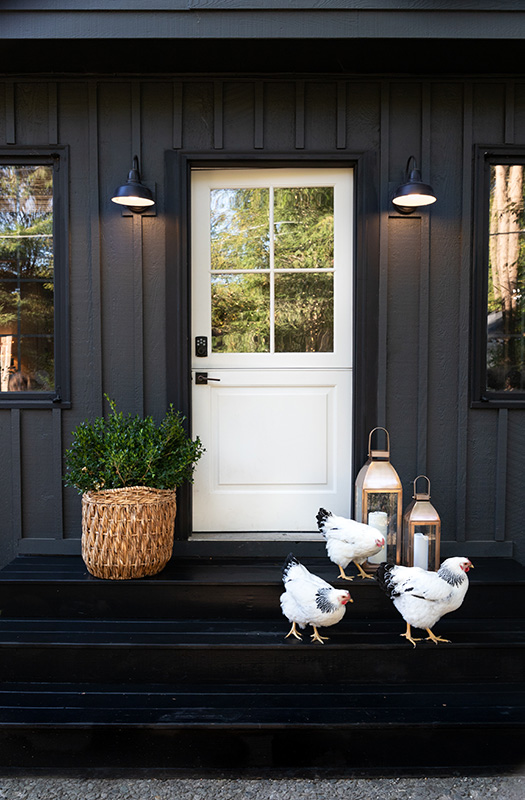
Reason 2: Seamless Nature-Connected Design
Dutch doors serve as the perfect transitional entry point — literally creating a threshold experience that connects indoor living with outdoor environments. The opened top half frames garden views and admits natural light, fresh breezes, and seasonal changes without full exposure. This is nature-first design with built-in boundary control.
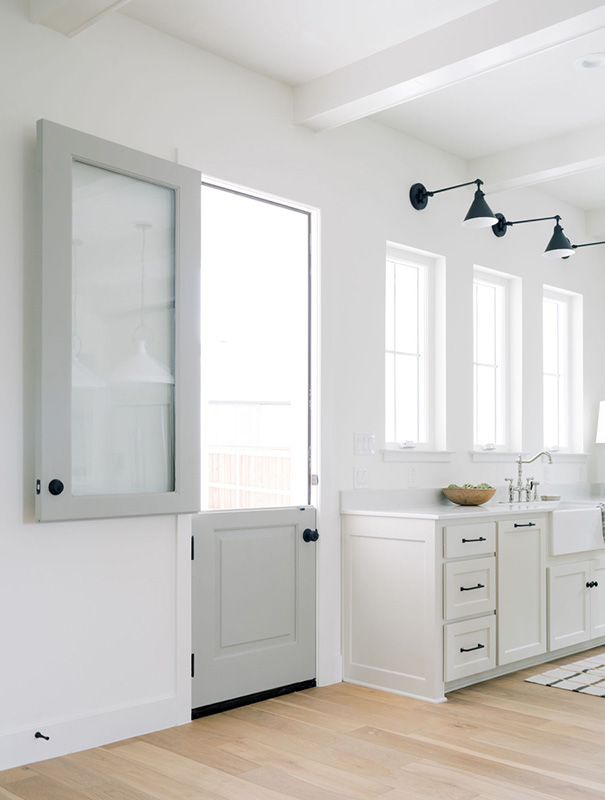
Reason 3: Warm Minimalism Aesthetic
The split door design is inherently minimalist: clean horizontal division, no unnecessary ornamentation, pure functionality. When crafted from quality wood species — white oak, walnut, mahogany, or fir — Dutch doors add the warmth that prevents minimalist spaces from feeling sterile. The aesthetic works across:
- Modern farmhouse — honors agricultural heritage with contemporary simplicity
- Transitional interiors — bridges traditional and contemporary elements seamlessly
- Coastal Contemporary — seamless outdoor flow with a sophisticated, understated finish
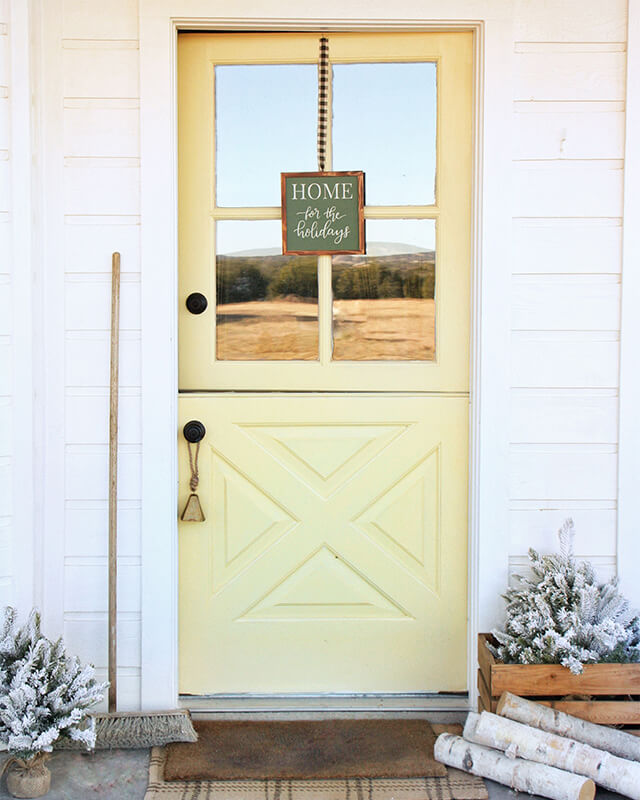
Reason 4: Investment Value and Longevity
Quality Dutch doors constructed from solid wood can last for generations, far outlasting any trendy alternative. One quality door over a lifetime versus multiple cheaper replacements is a genuinely sustainable choice, and distinctive architectural details like Dutch doors positively influence buyer perception during home tours.
Where Dutch Doors Work Best
This is where Dutch doors earn their place in a renovation plan. Each placement below solves a specific daily living problem:
- Kitchen to patio/garden — Open the top half to pass dishes to outdoor dining while keeping kitchen climate control intact; provides cooking-with-garden-views sight lines
- Home office/studio — Creates a semi-private workspace that feels connected to family life; prevents isolation while maintaining productive boundaries
- Mudroom/back entry — Monitor children or pets in the yard without fully opening the door; passive ventilation dries wet gear faster
- Primary bedroom to private patio — Morning fresh air and garden views without compromising the private retreat
- Nursery — Visual monitoring without entering the room or creating door noise; maintains the dark, quiet environment infants need
- Laundry/utility rooms — Keeps spaces visually connected while containing noise, humidity, and clutter behind the closed lower half
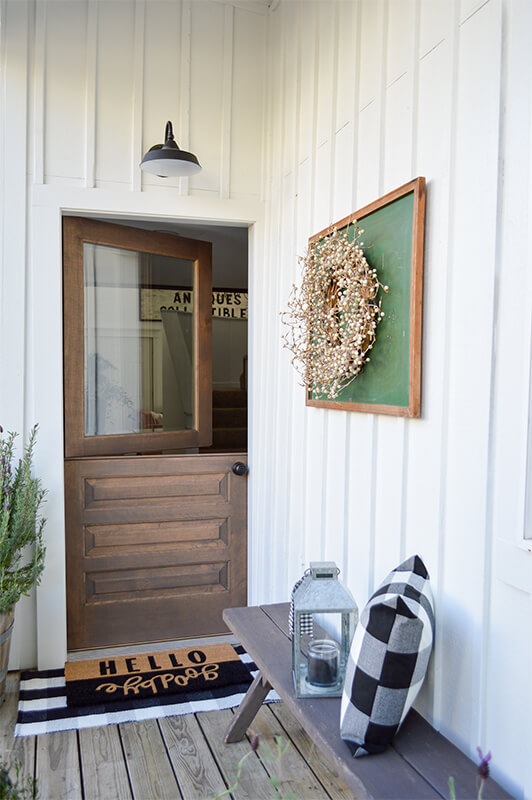
Reason 5: Quality Craftsmanship Matters
For a Dutch door, solid wood is a structural necessity — not an aesthetic choice. Unlike fiberglass or steel, solid wood provides the internal integrity required for a functional, long-lasting two-piece design. When evaluating options, prioritize:
- Solid wood construction — Avoid hollow-core or composite materials that compromise durability
- Premium wood species — Douglas fir, mahogany, white oak, or walnut offer superior stability and grain character
- Weather-resistant finishes — Factory-applied finishes provide superior protection for exterior applications compared to field-applied options
Simpson Door Company's Dutch door collections feature stain-grade wood with continuous grain patterns across both door halves — a detail that separates custom craftsmanship from mass production and ensures the door looks intentional, not assembled.