1-800-Simpson
 Email Us
Choosing the right door style can dramatically transform both the functionality and aesthetic appeal of your home. Two popular alternatives to traditional hinged doors are pocket doors and barn doors. Both offer unique benefits and can enhance your home in different ways. Even better—both styles can be paired with virtually any door design, from rustic wood to sleek glass, giving you full creative freedom. Understanding what makes each door style special will help you select the perfect option for each room in your home.
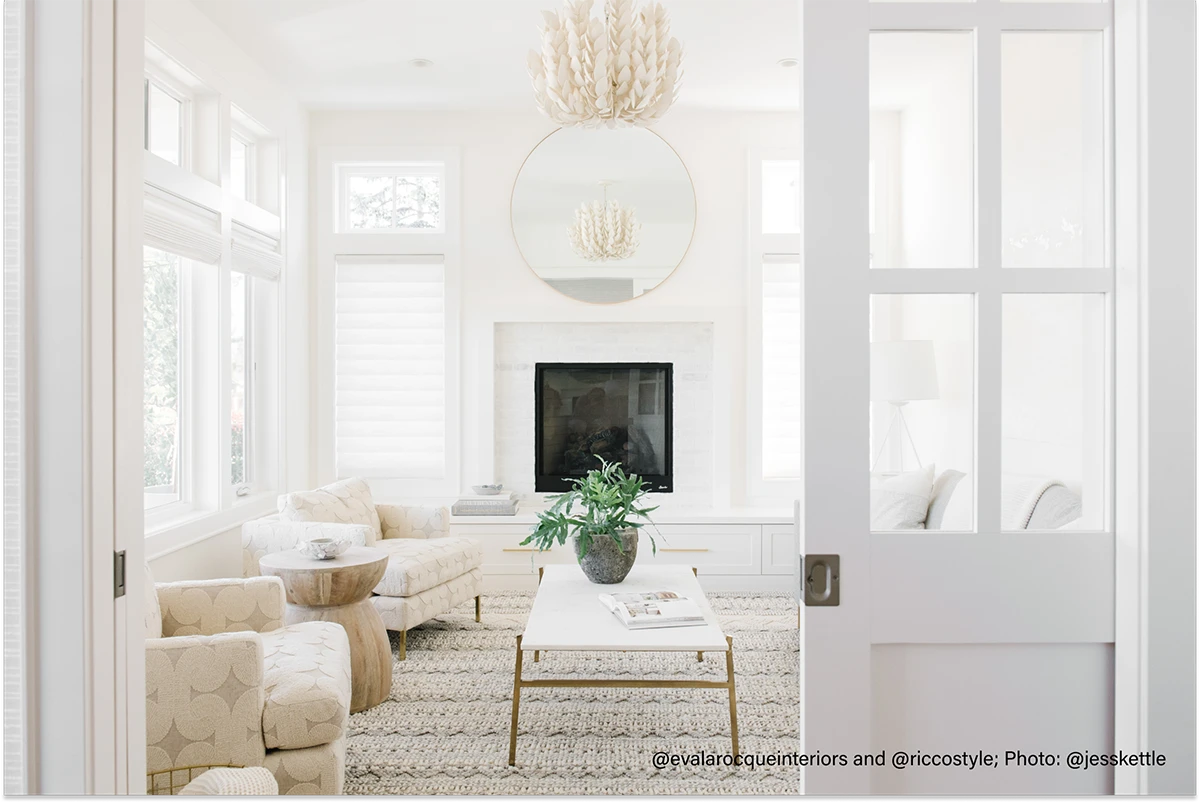
What Are Pocket Doors?
Pocket doors are sliding doors that disappear into a compartment within the wall when opened. Unlike traditional doors that swing into a room, pocket doors slide parallel to the wall and tuck completely out of sight. This ingenious design has been around since the Victorian era but has experienced a resurgence in modern home design.
The mechanism consists of a track system installed within the wall cavity, allowing the door to glide smoothly in and out of the "pocket." When closed, pocket doors look virtually identical to standard doors, maintaining a clean, streamlined appearance throughout your home.
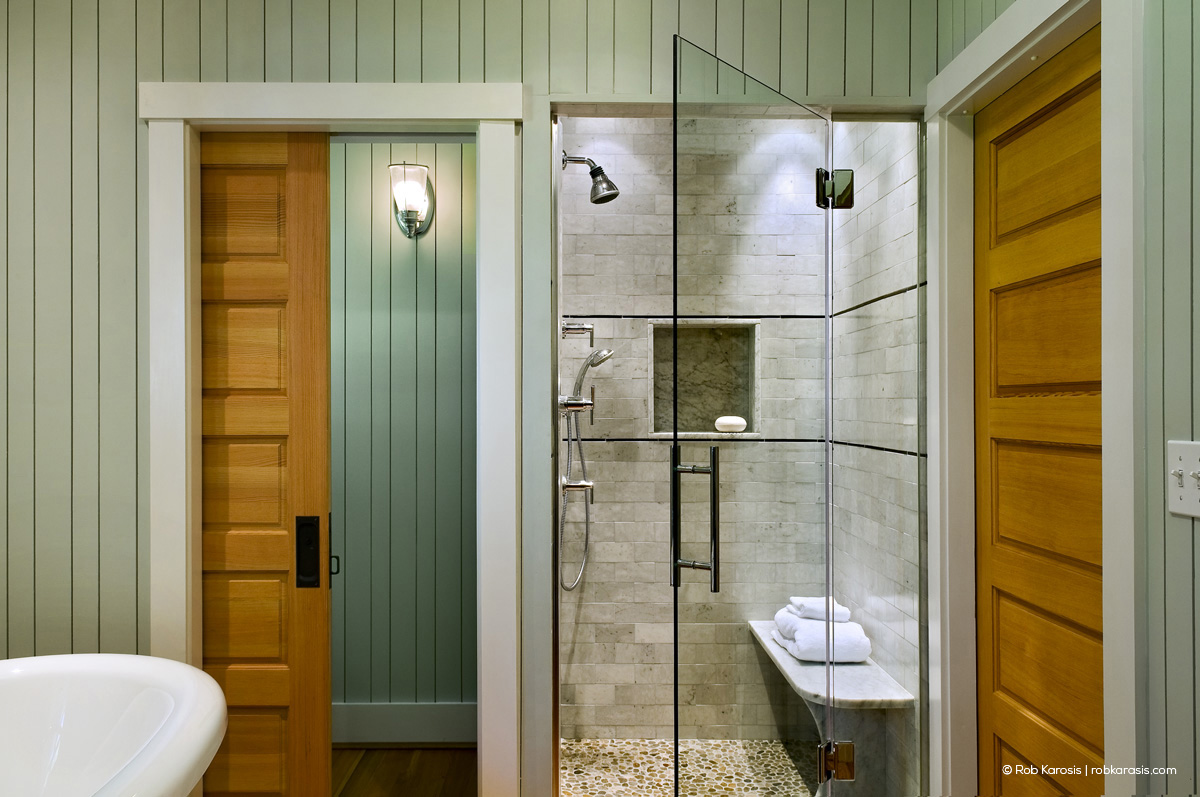
What Are Barn Doors?
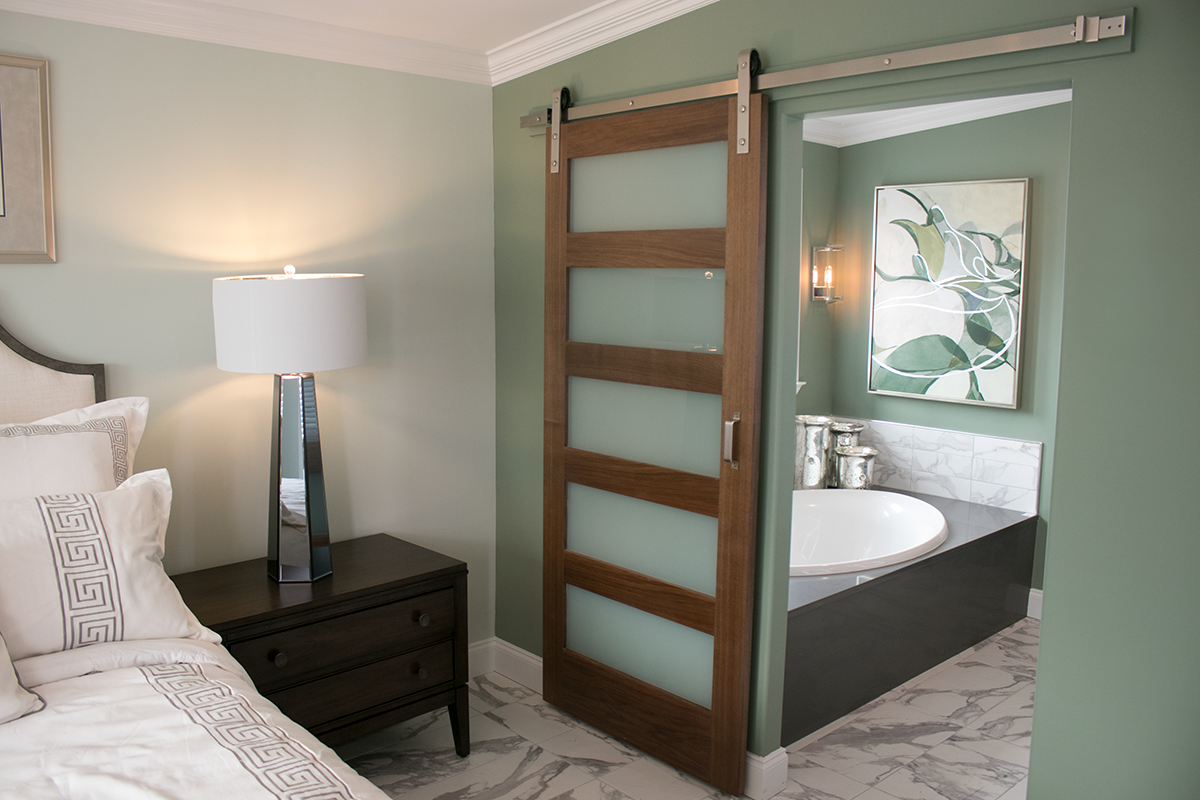
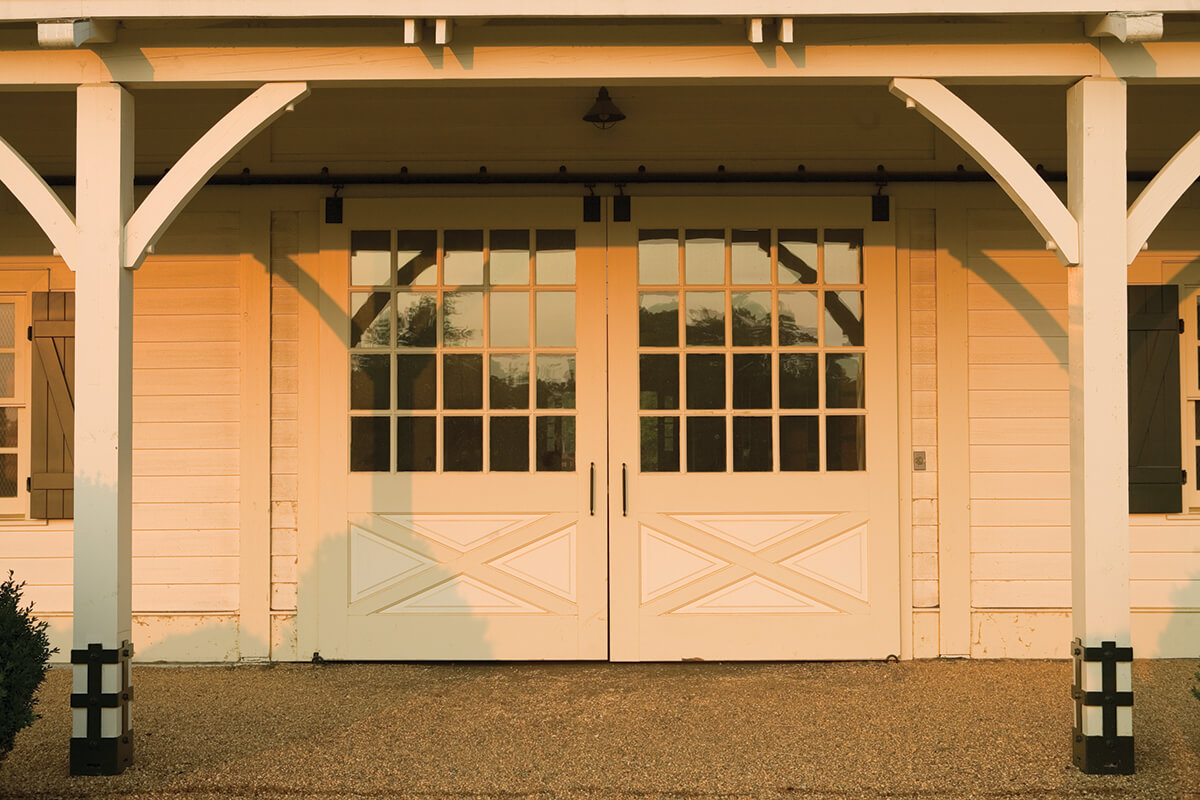
Barn doors are mounted on an exterior track that runs along the wall surface. Originally used in agricultural buildings, these doors have become a major design trend in residential spaces over the past decade. Rather than hiding within the wall, barn doors slide along the outside of the wall, with visible hardware that often serves as a striking decorative element.
The hardware itself becomes part of the room's character, ranging from industrial black steel to polished brass or brushed nickel finishes.
Space Optimization: Different Solutions for Different Needs
Both door types excel at maximizing space, but they approach this goal in distinct ways that suit different room layouts.
Pocket doors are the ultimate disappearing act. When open, they vanish completely into the wall, freeing up valuable floor space on both sides of the doorway. This makes them particularly valuable in compact areas where every square foot counts. You can place furniture right up against the wall where the door slides, and there's no swing radius to plan around.
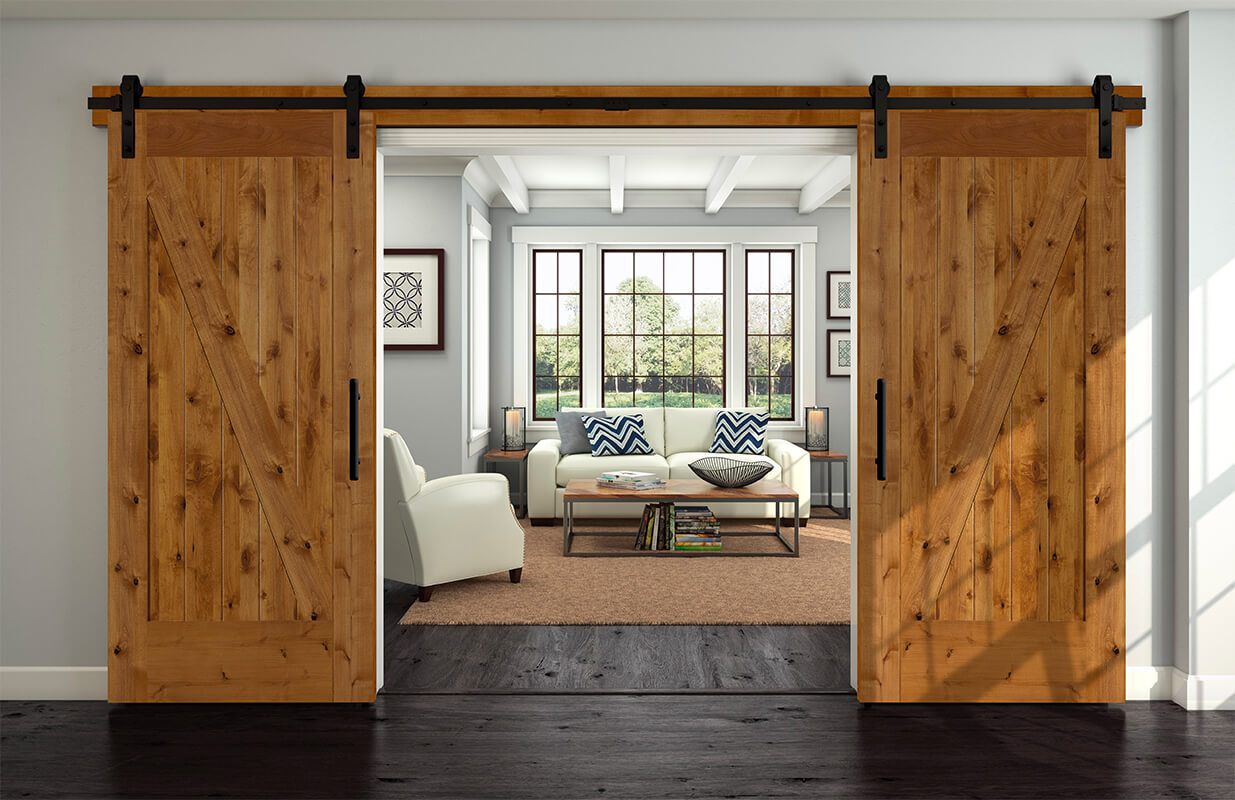
Barn doors take a different approach. While they require clear wall space adjacent to the doorway for the door to slide along, they eliminate the need for a swing radius. The wall space they occupy can actually become a design feature, turning functional necessity into aesthetic appeal.
Installation Approach and Investment
Understanding what's involved in installing each door type helps you plan your project timeline and budget effectively.
Pocket Door Installation:
- Involves creating a cavity within the wall to house the door
- Ideal for new construction
- Requires coordination with other wall elements like wiring and plumbing
- Professional installation is strongly recommended to ensure smooth operation and long-term durability
Barn Door Installation:
- Features straightforward mounting that can adapt to existing doorways
- Highly DIY-friendly, often installed in a single day with minimal wall modification
- Requires proper wall backing to support the track and door weight
Renovation Consideration: If you're updating an existing home without major construction planned, barn doors offer a simpler installation process that works with your current walls. Pocket doors are most practical during new construction or when walls are already opened for other renovation work.
Design Aesthetics and Style Versatility
Your home's design personality can help guide you toward the door style that will make the biggest impact.
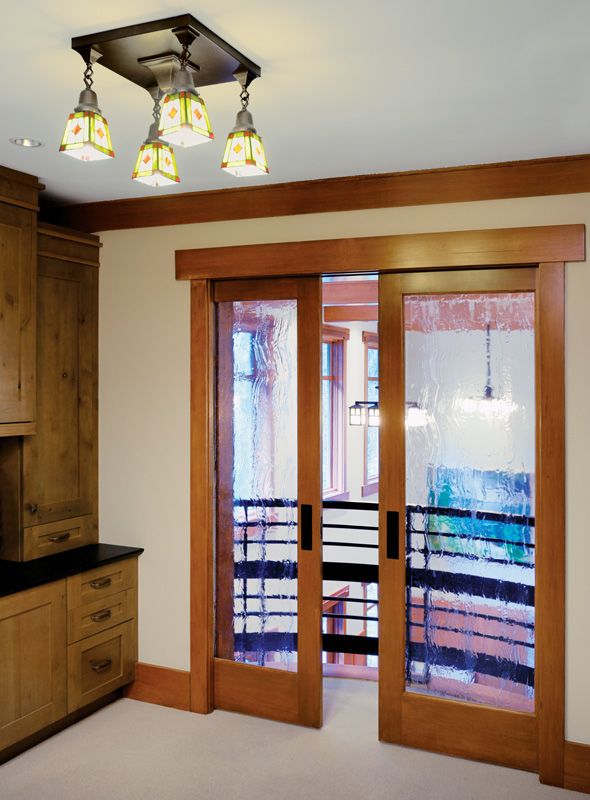
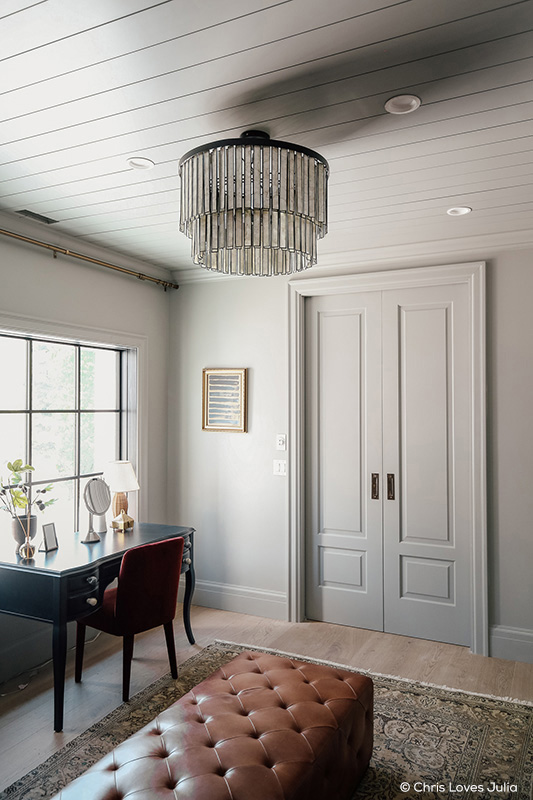
Pocket doors blend seamlessly with any design style, from sleek glass panels to rich wood finishes to mirrored surfaces. Their ability to disappear when open allows other design elements to take center stage—perfect for minimalist, contemporary, or traditional homes.
Barn doors are statement makers. They bring character and personality to a space through both the door material and the visible hardware. Whether you choose reclaimed wood, glass panels, painted finishes, or mirrored surfaces, the exposed track and mounting system add architectural drama.
Ideal Applications for Pocket Doors
Pocket doors shine in situations where their unique characteristics provide maximum benefit:
- Bathrooms in compact spaces or master suites
- Home offices that transition between open and closed
- Dining rooms and kitchens where flexible separation enhances entertaining
- Laundry rooms needing wide access without door swing
- Small bedrooms where floor space is at a premium
- Closets in tight areas needing full access to the opening
Ideal Applications for Barn Doors
Barn doors excel in applications where their visual impact and accessibility create the most value:
- Kitchen pantries with frequent daily use
- Master closets where hardware becomes a luxury detail
- Entertainment centers that can be concealed or revealed
- Laundry rooms that benefit from charming utility
- Large openings where double barn doors create drama
- Bedroom closets that add style without complicated installation
- Studies and dens that connect to living areas
Transform Your Space with the Right Door Choice
Both pocket doors and barn doors offer compelling advantages that can elevate your home's functionality and style. The key is matching each door type to the specific needs of your space.
Pocket doors provide a seamless aesthetic that disappears into your walls, ideal for tight spaces and situations where you want the architecture to recede. Barn doors bring personality and drama while offering straightforward installation, perfect for creating focal points and quick transformations.
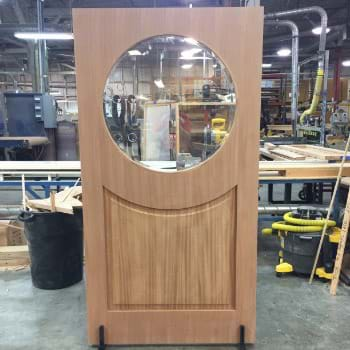
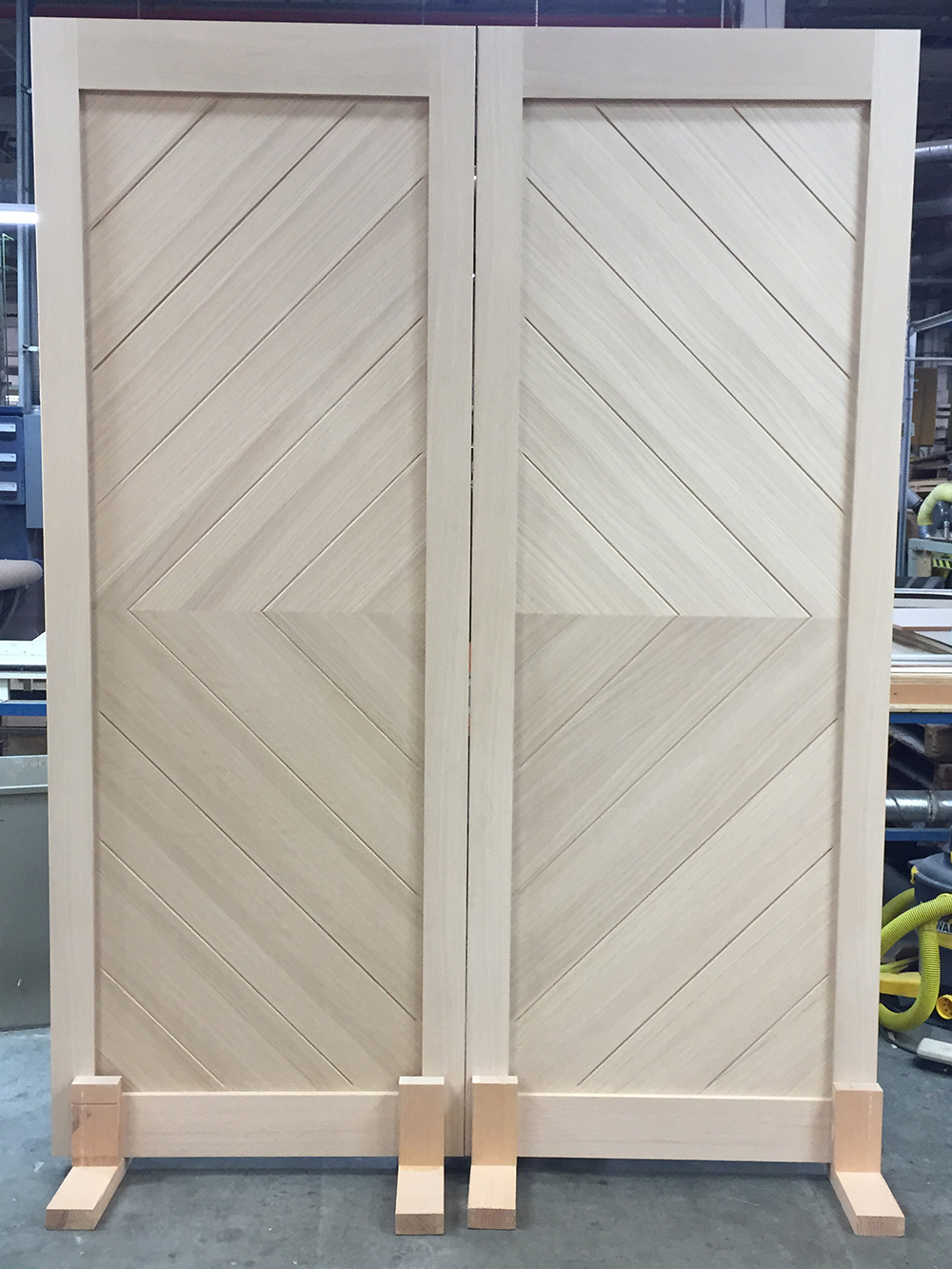
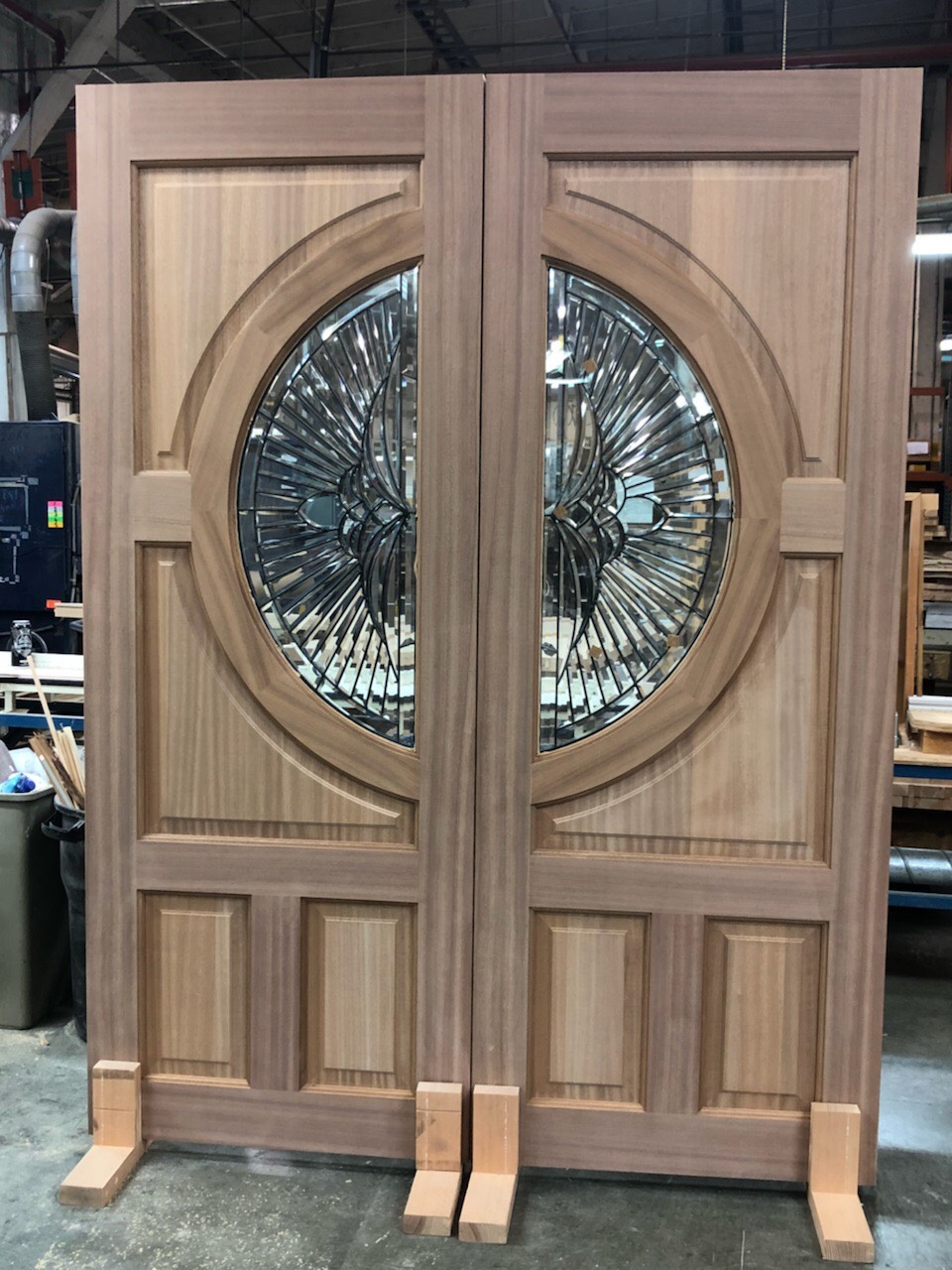
Whether you're building new, undertaking a major renovation, or simply looking to refresh your home's style, understanding the strengths of each door type empowers you to create spaces that work beautifully for how you live. Take inventory of your home's needs, consider your timeline and budget, and embrace the freedom to use both styles where they serve you best. The right door in the right place can truly transform how a room looks, feels, and functions. Additionally, any Simpson door can be utilized for both barn door and pocket door applications, giving you even more flexibility to achieve your desired look and functionality throughout your home.
Frequently Asked Questions
Can I install a pocket door in an existing wall?
Yes, but it requires opening the wall to create the pocket cavity and relocating any electrical wiring or plumbing that interferes with the space. This level of work is only practical if you're already undertaking major renovation. Otherwise, barn doors provide a simpler alternative.
How much wall space does a barn door need?
A barn door requires clear wall space equal to at least the width of the door opening, though slightly more is ideal. For example, a 30-inch doorway needs approximately 30-36 inches of unobstructed wall space beside it for the door to slide completely open.
Can I use either door style for a bathroom?
Yes, both work well for bathrooms. Pocket doors maximize space in smaller bathrooms and powder rooms. Barn doors work beautifully in master suites where the design aesthetic is a priority.
Which door type is better for closets?
The answer depends on your priorities. Pocket doors provide full access to the closet opening and completely disappear, while barn doors are easier to install and add character. Walk-in closets particularly benefit from barn doors as a style focal point.
Do I need a professional to install these doors?
Barn doors are DIY-friendly and can typically be installed by a handy homeowner in a day with basic tools. Pocket doors require professional installation due to the wall modifications and precise tracking requirements.
Can these doors be locked?
Yes, both can be fitted with locks. Pocket doors can use traditional privacy locks similar to standard doors. Barn doors typically use specialized sliding door locks or hook-and-eye latches, though these are generally more decorative than secure.